Local authority leaders have urged the Government to change the way councils are reimbursed for temporary accommodation costs after MPs warned of housing being used that was ‘unfit for human habitation’.
A new report by the cross-party Housing, Communities and Local Government (HCLG) Committee called for urgent Government intervention to address conditions in temporary accommodation, where tens of thousands of children remain housed.
The report warned that families continue to live in temporary accommodation ‘so poor as to be unfit for human habitation’.
It calls on the Government to take ‘urgent action’ by strengthening existing protections, phasing out other types of shared accommodation for families in addition to B&Bs, and by putting in place long-term plans to improve supply.
Last year, the APPG found that temporary accommodation was listed as a contributing factor in the deaths of 74 children between 2019 and 2024, of which 58 were below the age of one.
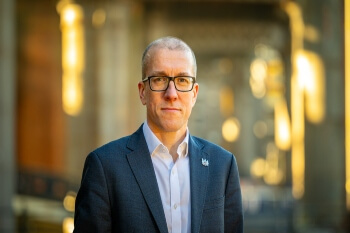
Responding to the report, Cllr Carl Cashman, vice chair of the Local Government Association’s (LGA) Inclusive Growth Committee, said councils were committed to providing ‘suitable and decent places to live’, but added that increasing numbers of people are seeking support from their local authority while budgets decrease.
‘The gap between what councils pay out to fund temporary accommodation costs vs what they are paid back by Government is already £1.5bn over recent years, and is only set to grow,’ he said.
‘To arrest this trend the Government must change the way it reimburses councils for temporary accommodation costs and take further action to address the housing crisis that is in part responsible for these issues.’
Homelessness Minister Alison McGovern commented: ‘In the Child Poverty Strategy, we set out our commitment to do everything we can to eradicate unsuitable or poor-quality accommodation and ensure children in temporary accommodation do not experience gaps in health care provision.
‘Alongside this, the Children’s Wellbeing and Schools Bill will provide the strongest protections in a generation, making sure vulnerable children are identified, supported and never again allowed to fall through the cracks.’