Around 10% of over-60s have reduced or stopped their social care or expect to do so in the coming months because of the cost-of-living crisis, charity reveals.
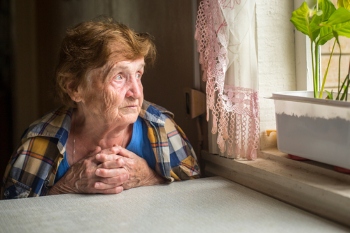
New polling from Age UK has found that 10% (1.6 million) of over-60s in the UK are already cutting back or stopping their social care, or expect to do so in the near future, because they can’t afford the cost.
The poll also found that 22% (3.6 million) of older people are already reducing or stopping spending on medications or specialist foods or expect to do so in the coming months. Fifteen percent (2.5 million) are already skipping meals, or expect to do so.
More than half of over-60s – 54% or 8.8 million people – said they believed that cost of living increases would affect their health and care needs over the winter.
Caroline Abrahams, charity director at Age UK said: ‘It is alarming that well over a million older people are already cutting back or stopping their social care across the UK, or expect to do so in the months to come, because they can’t afford the cost. This is potentially disastrous because if you are an older person with care needs, this support is not a “nice to have” but essential in enabling you to stay fit and well. Cutting back or stopping care in this situation threatens to pile extra pressure on the NHS, our hospitals especially, as it greatly increases the chances of serious ill health and injury.’
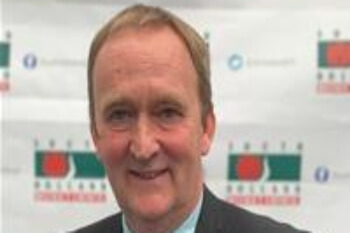
Responding to the new report from Age UK, chair of the Local Government Association's (LGA) Community Wellbeing Board, Cllr David Fothergill said: 'It is extremely concerning to hear reports of older people either reducing or having to consider stopping their social care because of financial concerns, particularly as we enter the colder months. Ensuring people can stay independent, warm and healthy in their own homes for as long as possible, is essential for not only ensuring people of all ages are able to live the lives they choose, but for preventing a build-up of demand on NHS in the long-term.
'Preventative measures within social care play a crucial role in councils’ wider efforts to improve the health and wellbeing of local populations, however prevention spending is under pressure because of the scale of financial stresses on adult social care.
'Investment in preventative measures is key to delivering savings and improving people’s health and independence. But this cannot and will not happen without adequate funding.'