William Eichler 12 September 2023

Voter ID law ‘poisoned cure’, MPs say

Voter ID law ‘poisoned cure’, MPs say image
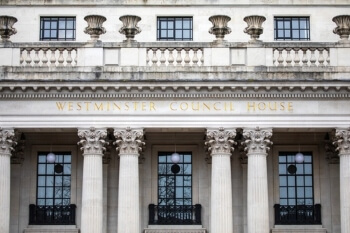
Image: Alexandru Nika / Shutterstock.com.

The voter ID rule which was brought in to tackle electoral fraud ahead of the 2023 local elections ‘disenfranchises more voters than it protects’, a cross-party group of MPs has concluded.

A report into the controversial law by the All-Party Parliamentary Group (APPG) on democracy and the constitution described the law as a ‘poisoned cure’ that prevented at least 14,000 people from voting in the local elections.

There have been only eight instances of polling station ‘personation’, i.e. voting in person in someone else’s name, in the last decade, according to the APPG’s report.

The report also said that the selection of documents that were accepted as qualifying ID was ‘arbitrary’, and it found evidence of racial and disability discrimination at polling stations.

The APPG concluded that the issues with the voter ID rule were ‘systemic’ but not ‘fundamental’. It recommended that the law remain in place but that reforms, such as broadening the range of valid ID, be introduced.

John Nicolson MP, who chaired the inquiry, said: ‘Voters must be able to exercise their democratic rights by casting their ballot, and they must have the security of knowing that no one is going to undermine that right by voting in their name. The voter-ID system, as it stands, doesn’t get the balance right. You don’t solve anything by disenfranchising voters.’

A Department for Levelling Up, Housing and Communities (DLUHC) spokesperson said: ‘We are committed to ensuring everyone has the opportunity to have their say in our democracy as we implement the Electoral Commission’s recommendation of introducing identification for voting in person across Great Britain, in line with the longstanding arrangements in Northern Ireland.

‘The Government has always been confident in the ability of local authorities to implement the voter identification changes whilst continuing to deliver our elections robustly and securely, as they always do.’


Skills Pipelines: What local government needs to know image

Skills Pipelines: What local government needs to know

Councils and mayors are to be handed a central role in developing skills pipelines for local industries, as the Government unveils what it calls a ‘fundamental change’ to the education system aimed at tackling youth unemployment. Here's what council leaders and officers need to know.
SIGN UP
For your free daily news bulletin
Highways jobs

Head of Operations & Business Development - Amphora Colchester

Essex County Council
Up to £60000.0000 per annum
Head of Operations & Business Development - Amphora Colchester Colchester AmphoraSalary
Recuriter: Essex County Council

Technical Assistant

Essex County Council
Up to £25959.0000 per annum
Technical AssistantPermanent, Full Time£25,959 per annumLocation
Recuriter: Essex County Council

Assistant Director of Culture, Growth and Infrastructure

City of York Council
£86,537 – £95,898 plus benefits and relocation support
This is a new, pivotal and exciting opportunity for an inspiring leader to help shape York's future prosperity... West Offices York (minimum 3 days per week) / Hybrid working
Recuriter: City of York Council

Adults Social Worker - Early Help & Wellbeing (South Essex)

Essex County Council
£36124 - £51834 per annum + Flexible Working, Hybrid Working
This advert is open to Experienced and Newly Qualified Social Worker's (NQSW) with relevant experience in Mental Health. The starting salary for a NQ England, Essex, Basildon
Recuriter: Essex County Council

Part-Time Business Support Administrator

Essex County Council
£25959.00 - £28786.00 per annum + Full Time Equivalent
Part-Time Business Support AdministratorFixed Term, Part Time£25,959 - £28,786 Per Annum (Full Time Equivalent) Location
Recuriter: Essex County Council
Linkedin Banner