Mark Whitehead 23 June 2023

Councils raise concerns over disproportionate impact of voter ID

Councils raise concerns over disproportionate impact of voter ID  image
Image: Peter Horrox/Shutterstock.com

Councils have raised concerns that problems with new voting identification rules hit some groups harder than others, local government leaders have warned.

Responding to a report that thousands of people were unable to vote because of new voter ID requirements in the recent local elections, the Local Government Association said councils had risen to the challenge of delivering the requirements smoothly and raising awareness of the changes.

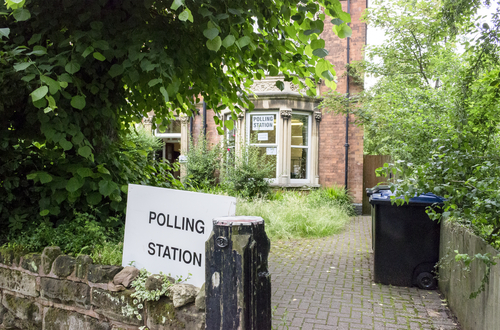
The Electoral Commission found about 14,000 people were turned away from polling stations at last month's council elections because they lacked the right ID, and said the overall number denied a vote is likely to be much higher.

The interim study warned of 'concerning' signs that voters with disabilities, people who are unemployed, or those from particular ethnic groups could be disproportionately affected by the policy.

LGA chairman James Jamieson said: 'It is a fundamental part of the democratic process that elections can run smoothly and effectively where every citizen is able to exercise their right to vote.

'It is therefore of concern to councils that this review has found that some groups may have been more impacted than others by the introduction of Voter ID, with a small number being left unable to vote.

'Councils know their communities best and with the right resources are a key part of the solution to tackle a lack of awareness of Voter ID requirements in local areas. This is particularly important as we approach a potential general election, where turnout will likely be much higher.

'We look forward to hearing the Electoral Commission’s forthcoming recommendations and hope that the Government act decisively to address any concerns the Commission raise.'


Skills Pipelines: What local government needs to know image

Skills Pipelines: What local government needs to know

Councils and mayors are to be handed a central role in developing skills pipelines for local industries, as the Government unveils what it calls a ‘fundamental change’ to the education system aimed at tackling youth unemployment. Here's what council leaders and officers need to know.
SIGN UP
For your free daily news bulletin
Highways jobs

Residential Support Workers - Development Programme

Durham County Council
£26,403 - £28,598 per annum. Pay award pending.
Residential Support Workers – Temporary 12 Month development opportunity Salary
Recuriter: Durham County Council

Team Leaders

Durham County Council
Grade 8 £32,597 - £36,363 (pay award pending)
Team Leaders – Opportunities are available across the County Durham Area   Salary
Recuriter: Durham County Council

Residential Workers

Durham County Council
Grade 7 £30,024 - £33,699. Pay award pending.
Residential Workers - Opportunities are available across the County Durham Area Salary
Recuriter: Durham County Council

Service Design Lead

Durham County Council
£40,777 to £45,091 p.a. (Grade 11) Pay award pending
We are looking for an experienced and confident Service Design Lead to play a key role in shaping the future of customer services within Durham County Durham
Recuriter: Durham County Council

2 x Health Care and Education Assistants

Durham County Council
£24,796- £25,185 (Pro Rata)
Temporary Contract until August 2027, with the potential to extend, subject to funding. Part Time- 34 hours per week (8.40am to 4pm Mon-Fri) Term Time Spennymoor
Recuriter: Durham County Council
Linkedin Banner