William Eichler 24 February 2022

Rough sleeping figures fall by nearly 10%

Rough sleeping figures fall by nearly 10% image
Image: Diana Vucane / Shutterstock.com.

A housing charity has called for a ‘roadmap out of homelessness’ as Government figures released today reveal that the number of people sleeping rough has decreased by 9%.

Around 2,440 people were estimated to be sleeping rough on a given night in autumn 2021, according to the Government’s data.

This represents a 9% drop in the rough sleeping numbers compared to last year and marks the lowest level in eight years.

However, despite the decrease in the amount of people sleeping rough, the number of people on the streets is still 38% higher than in 2010 when the data started being collected

The Government figures also reveal that 4,880 people were being accommodated in emergency accommodation as of December 2021.

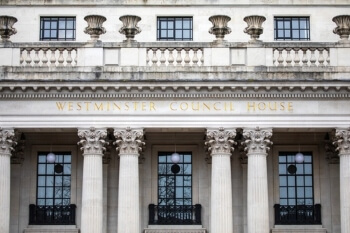
In 2021, the local council areas in England with the highest numbers of people sleeping rough were Westminster, Camden, and Bristol.

‘These figures show the race to end rough sleeping has started but it’s far from over. The extra provision of emergency accommodation was working last autumn to put a roof over people’s heads,’ said Osama Bhutta, director of campaigns at the homelessness charity Shelter.

‘We’re now at a fork in the road. There is a real danger that more people will be faced with the streets as the cost of living crisis rages, as well as a roundabout of repeat rough sleeping. We see it in our services and councils are reporting it too – the biggest barrier to keeping people permanently off the streets is the lack of suitable, long-term homes.’

He continued: ‘The Government pledged to end rough sleeping by 2024, it cannot possibly achieve this goal without a proper plan to tackle the root causes. We need a roadmap out of homelessness – one that begins with making sure everyone at risk of the streets is given a safe place to stay, and ends with the building of truly affordable social homes.’

Skills Pipelines: What local government needs to know image

Skills Pipelines: What local government needs to know

Councils and mayors are to be handed a central role in developing skills pipelines for local industries, as the Government unveils what it calls a ‘fundamental change’ to the education system aimed at tackling youth unemployment. Here's what council leaders and officers need to know.
SIGN UP
For your free daily news bulletin
Highways jobs

HEART Call Handler

City Of Doncaster Council
Grade 6 £26,403 - £27,255
Do you have a positive approach to work and enjoy the challenge of a busy role? Doncaster, South Yorkshire
Recuriter: City Of Doncaster Council

STEPs Community Reablement Officer

City Of Doncaster Council
Grade 6, £26,403 - £27,255 pro rata
Could you make a difference to peoples lives and work in social care, are you looking for the right opportunity to try? Doncaster, South Yorkshire
Recuriter: City Of Doncaster Council

Environmental Services Support Officer

Wyre Borough Council
£25,989 - £26,403
We are seeking a dedicated and detail-oriented Environmental Services Support Officer to join our Environment Directorate. Poulton-Le-Fylde, Lancashire
Recuriter: Wyre Borough Council

Complex Case Officer (SEN)

The Royal Borough of Kensington & Chelsea Council
£40404 - £41404 per annum
Support children and young people with complex needs, ensuring they receive the right help at the right time. Working as a Complex Case Officer in our England, London
Recuriter: The Royal Borough of Kensington & Chelsea Council

Head of Neighbourhoods

Brent Council
£90,865 - £111,270
Brent Council is looking for a Head of Neighbourhoods, a significant role with responsibility for a wide portfolio. Brent, Civic Centre, Wembley
Recuriter: Brent Council
Linkedin Banner