Parking meters, alarm systems and telecare devices risk facing disruption when 2G and 3G mobile networks are switched off, the Local Government Association (LGA) has warned.
All mobile operators will switch off 2G and 3G networks by 2033 as their services are being replaced by faster 4G and 5G technologies.
A survey by the LGA of 53 councils found that the majority are preparing for the switch off but almost two thirds said they are still using devices reliant on 2G and 3G networks to at least a small extent.
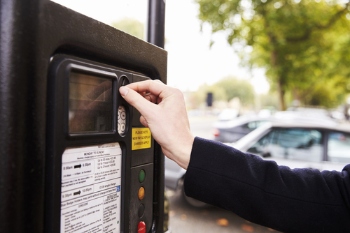
Over half (57%) of respondents said their highways, transport and parking services were still reliant on the older networks, with parking meters the main area which needs upgrading.
Environment and waste services were the second most impacted (45%), with refuse collection vehicle in-cab displays among the devices affected.
The third most impacted were housing services at just under 40% still reliant on the old networks. Telecare safety devices were also referenced in the survey as needing to be replaced.
The LGA warned that a lack of adequate 4G and 5G coverage, particularly in rural areas, will hamper efforts to move on from the legacy networks.
Cllr Mark Hawthorne, LGA digital connectivity spokesman said: ‘Councils want to do all they can to minimise the impact of the 2G and 3G network switch off but cannot do it alone. We need Government and telecoms leaders to work together to raise awareness of the transition and what it means for those at the sharp end, including on how best to manage the move to the latest technology.
‘Older, legacy infrastructure ranging from parking meters and payment machines to emergency auto diallers and sensors in social housing, may need upgrading or replacing to work on new, faster 4G and 5G networks. Time is running out if we are to avoid the fallout from the big switch off.’