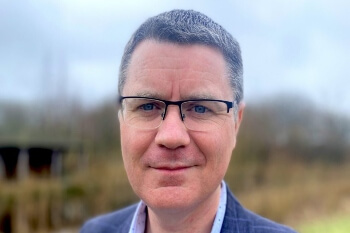
Sir Michael Lyons scarcely had time to draw breath after producing his 400-page report before finding himself back in the headlines again as the next chairman
The appointment, announced on 5 April, was precisely five days after his contract to produce the report terminated, three days after he took his 10 inquiry staff out to a farewell dinner and three weeks after his report was published.
But, as he says bullishly: ‘I’m clear I’ve finished my job. I’ve done what I was asked to do. I’ve met the agreed date, delivered the agreed product and left, in my view, a legacy of quality analysis. But the report is not the issue, it contributes to the debate. Now it’s up to local government.’
As for himself, after two-and-a-half years running the inquiry, he now turns his attention to entirely different questions as BBC chairman. He may have little direct media experience but a hotline to Gordon Brown, a reputation as a fixer and solid public sector experience look good on his CV. The BBC’s director general Mark Thompson last week praised his ‘formidable reputation in public sector reform and modernisation, both at a regional level and nationally’. Furthermore, his knighthood was for Birmingham hosting the successful G8 event in Birmingham in 1998, when he was its chief executive – remember Bill Clinton sipping bitter by the canalside?
In his new post he will find himself grappling on a daily basis with media issues, so the experiences of the past few weeks may well have tempered him for the experience. He admits some surprise at the initial blizzard of hostile national press coverage surrounding his report’s publication. The newspapers began running scare stories about council tax revaluation the weekend before his report’s publication to the extent that Ruth Kelly had to reject such an idea before it had even been mooted.
‘I was a bit surprised, since revaluation is a side show in the final report,’ he says. ‘It became a bit of a distraction and unfortunately, dominated coverage initially. I was disappointed it obscured the bigger picture.The trouble is we’re still living in the shadow of 1990 [poll tax riots] and there’s hysteria about any tax.’
But without such coverage, would the national media have been bothered at all? After all, local government hardly floats their boat. He maintains that, although he knew ‘weeks back’ there was interest, it was always going to be a complex report to sum up in the 90 minutes or so he had at the launch. Indeed, coverage of the report itself shrank to a few column centimetres the next day, overwhelmed by Budget news and by media indifference, once revaluation and council tax bands were rejected by ministers.
Which is why he is talking to The MJ a fortnight later – actually three days before his BBC post was formally announced, although it was a foregone conclusion – because his case is that having met his inquiry brief, it is now up to local government to pick up the baton. He has no intention of tramping the country promoting its contents.
He dismisses the initial hostility and scepticism. ‘It’s clear that people are now looking way beyond the initial coverage of the report which will be considered not just by this government but future ones,’ he says.
He also argues that the immediate rejection by Phil Woolas of revaluation, tourism tax and extra bands, conveyed the mistaken impression that his entire report had been dismissed by ministers. ‘If you look carefully, most of the report remains on the table to be taken further,’ he says.
‘The Budget summary of it as opposed to press coverage was much more measured. In my view, I’ve done pretty well. Most of my report is either in the White Paper or been accepted. And the reaction of Mr Woolas in his speech at the inquiry conference a week later was quite different.’
It is certainly true that at the Lyons inquiry event on 27 March, both Ed Balls and Mr Woolas were a lot more welcoming of the report than initial DCLG releases had suggested the previous week. Indeed, both seemed to go out of their way to emphasise its long-term impact. Maybe they knew something we, at the time, did not – that he would soon be a key media player. n