A new report from the housing Ombudsman has found that maladministration in the handling of complaints by landlords is the area of ‘most consistent concern’.
The Housing Ombudsman has today (7 September) published a report bringing together the insight from its handling of almost 2,000 complaints from leaseholders and shared owners over the last two years.
These complaints resulted in more than 800 formal investigations with redress required in some form in just over half of the cases investigated.
A new lease of life: Spotlight on leasehold, shared ownership and new builds shows that maladministration, including partial maladministration, when it came to dealing with complaints was found in 72% of cases. This is double the Ombudsman’s average uphold rate.
The key issues identified were difficulties getting through the complaints procedure, delays and periods of inaction.
The report provides learning points on complaint handling plus three other areas where maladministration or partial maladministration are found most often. They are repairs, estate management and charges. It also looks at staircasing and issues related to cladding and building safety.
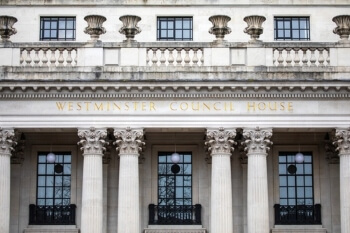
The Ombudsman’s report also identifies the six councils with the highest number of maladministration findings, including partial maladministration and severe maladministration. These are Southwark, Hammersmith and Fulham, Lambeth, Westminster, Haringey, and Camden councils.
In almost 40 recommendations, the Ombudsman urges landlords to improve lease agreements at the outset, strengthen systems and improve approaches to capturing and sharing knowledge and information within their organisations.
‘The continued growth of home ownership through social landlords makes it timely to publish this report providing learning that is relevant throughout organisations. It is sometimes overlooked that we deal with cases brought by homeowners whose lease is with a member of our Scheme,’ said Richard Blakeway, housing Ombudsman.
‘Around one in five of our decisions follows a complaint from a leaseholder or shared owner. The lessons drawn from the cases are practical and common sense, covering different aspects of the customer’s journey, from initial purchase to staircasing, estate works and service charges. In particular, we would encourage sector collaboration to find solutions to some common issues.’