Local authority leaders welcome recommendations to reduce the maximum stakes of gambling machines but argue they should be lowered to just £2.
The Gambling Commission today published its recommendations to the Government on how to reduce the risks that vulnerable consumers face from gambling.
It recommends that Fixed Odds Betting Terminals (FOBT) slots stakes should be limited to £2. However, it says the stake limit for FOBT non-slot games should be set at or below £30.
Gambling Commission chief executive Neil McArthur said this — as well as a number of other recommendations — would help to ‘tackle both the risk of harm and provide solutions that are sustainable in the longer term.’
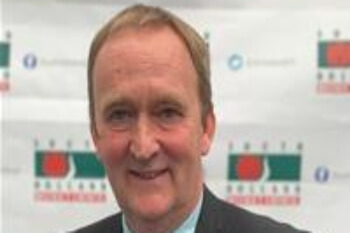
Cllr Simon Blackburn, chair of the Local Government Association’s (LGA) Safer and Stronger Communities Board supported most of the measures proposed by the commission, such as banning the facility for machines to allow different categories of games to be played in a single session.
However, he said the Government should ‘implement the maximum possible reduction to £2’ for all FOBT terminals.
‘Someone playing on a machine can lose £100 in a matter of seconds in a single play on an FOBT,’ he said.
‘This is money many people can’t afford to lose, which is why we have called for these stakes to be reduced to £2 in our submissions to the Government’s review.
'The Gambling Commission’s advice is clear – maximum stakes should not exceed £30, but we would encourage the Government to go further and implement the maximum possible reduction to £2, alongside other protection measures outlined by the commission.’
‘The higher stakes permitted on FOBTs is significantly out of line with other high street gambling machines and the harm and anti-social behaviour they can cause has become an issue of growing national concern,’ Cllr Blackburn continued.
‘It’s essential the Government commits to taking the strongest possible measures to address these concerns.’