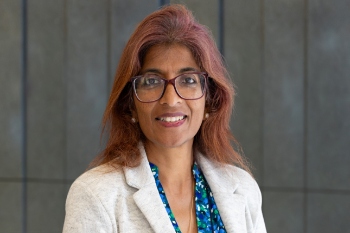
As the UK Government advances its devolution agenda, shifting power from Westminster to new regional authorities, it’s fair to ask what it means for diversity, equity, and inclusion (DEI), says Gita Singham-Willis, Strategic Engagement Director at Transform UK.
On paper, devolution promises to empower local areas to shape services around their unique needs, unlocking potential for greater fairness. Yet history tells us that shifts in political authority can either widen opportunity — or deepen inequality. By hard-wiring inclusion into the design of these new devolved structures, we have an opportunity to build a legacy of positive change and national cohesion.
The political climate is already tense. A national focus on divisive issues like migration is creating an environment where local councils may feel pressured to deprioritise schemes that support minority and vulnerable groups. Devolution carries a significant risk: it could empower intolerance at a local level. In communities facing social pressures, such as tensions around migrant housing, councils may feel it is not in their interest to continue funding initiatives designed to help minority groups. This raises a crucial question. As power and funding shifts, we must ensure mechanisms are in place to protect the interests and enhance the opportunities of these vulnerable communities.
The risk of 'one-size-fits-none'
Devolution, when designed well, can bring government closer to citizens, allowing leaders to tailor services to the lived realities of their communities. Evidence from the past decade shows this potential clearly
• Liverpool City region has embedded fairness into its region-wide equality strategy with annual reporting to ensure action, and involving vulnerable groups in planning and regenerations decisions.
• Surrey County Council has integrated EDI into its devolution plan, ensuring that "No One is Left Behind." By embedding Equality Impact Assessments directly into their devolution planning, they are proactively identifying and mitigating risks for underrepresented groups while tackling digital exclusion and fostering community cohesion.
However, a significant challenge remains in the restructuring of local government. As smaller authorities merge into larger regional bodies, they will have to serve a much broader and more diverse population. The danger is that in an effort to simplify service delivery across a wider area, these new authorities will adopt a "one-size-fits-all" approach that fails to meet the specific needs of different communities.
This could deepen existing inequalities. For example, the digital divide is already a reality, with an estimated 30% of adults lacking essential digital skills. As devolved authorities redesign services, they must ensure they don't create "a bigger divide between the haves and have nots" by leaving the digitally excluded behind, but instead use their new powers to bridge this gap.
Local government finances are under historic strain. Without adequate resources, devolution risks becoming a transfer of responsibility without capability. Under such conditions, councils may understandably prioritise statutory minimums rather than investment in community cohesion, equality, or targeted support. This is where national political rhetoric matters. Against a backdrop of polarising debates, local leaders must be supported and encouraged to champion minority groups, as the evidence strongly supports the long-term value of inclusive policy for all.
The impact of this reorganisation on community groups is also a key concern. Established relationships between local communities and their councils will inevitably change. In a social landscape marked by increasing fear and extremism, the role of community groups in fostering dialogue and ensuring local partnerships remain functional is increasingly important. These fundamental networks must be supported through the transition.
Safeguarding inclusion in a devolved UK
Research consistently demonstrated that economies and communities thrive when diverse voices are included in decision-making, leading to better outcomes for all residents. This principle must be embedded in the architecture of devolution to ensure it delivers a more equitable future.
Ensuring a fair and equitable process requires two key actions:
Inclusion by design: DEI cannot be a secondary concern. New regional authorities must subject every significant decision — from resource allocation to service restructuring — to rigorous equalities impact analysis. This requires designing operating models that reflect demographic complexity, setting measurable DEI outcomes, and involving community groups in service design, rather than just consultation.
Transparent accountability: Central government cannot devolve power without devolving responsibility. Therefore there must be clear national equality standards and scrutiny mechanisms that track how devolved authorities meet their duties, with transparent reporting on funding decisions and consequences when authorities fall short.
Devolution should expand democratic voice, not reduce it.
We have examples from previous moves in devolution demonstrating:
• Where political leadership embraces fairness, devolution can empower bold, community-centred policy.
• Where resources are limited, inequalities entrenched, or public voice ignored, devolution can magnify social divides.
We have an opportunity now to ensure that as the first strategic authorities are formed, this it the time to push for equality and inclusion to be built into SA constitutions and initial plans, rather than tacked on later.
Ultimately, the success of devolution will not be measured by the transfer of powers alone. It will be judged by whether it creates a fairer, more equitable society or inadvertently deepens the divisions that already exist. Without a conscious and deliberate focus on inclusion, we can ensure this transfer of power empowers opportunity at a local level, creating a legacy of greater inclusion for years to come.
.png)