Andrew Clark, Head of Sports and Aquatics at GLL, reflects on GLL’s work with local authorities and community groups in maintaining public lidos.
With ‘The Summer of 2026’ looking likely to go down in the record books in many parts of the country, more people than ever have been turning to their local lidos and outdoor swimming spots for relief from the heat.
GLL is the UK’s largest worker-owned leisure and cultural charitable social enterprise – with more than 400 facilities, including 258 public sports and leisure centres. Our lidos recorded 542,998 swim visits between June and August 2025 – a 30% increase on the same period in 2024 (416,847). And 2026 looks set to be our busiest yet – boosted by numerous heatwaves.
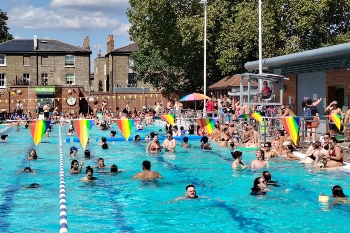
Beyond offering a way to stay cool during periods of extreme heat, lifeguarded lidos are crucial local assets that support social connection, healthier lifestyles and safe access to outdoor space. With many lidos dating back to the early 1900s, they represent UK heritage and decades of democratising leisure in spaces that welcome people from all walks of life.
Lidos at the heart of healthier communities
Despite an ongoing risk of closure, the importance of our lidos is increasingly recognised by policymakers as part of the solution to some of today’s biggest health and wellbeing challenges.
A group of 20 MPs from across the UK are currently petitioning for the forthcoming water bill to require all water companies to fund the reopening of lidos and create local outdoor swimming spaces. This follows a recently published report by the Fabian Society think-tank, which has identified the need for a collaborative effort to restore civic pride; connect communities through public spaces and ensure more people can access clean places to swim outdoors.
As the UK’s largest lido operator, we continue to see strong demand for outdoor swimming across all 10 lidos (and five open water venues). Our data shows participation received a considerable boost during the Covid-19 pandemic, as outdoor swimming sites opened ahead of other leisure facilities, and has remained high since.
GLL has long championed the restoration of these historic pools, understanding their operational challenges and ensuring they remain sustainable and accessible to the communities they serve. As a charitable social enterprise and worker-owned cooperative, GLL has spent more than 30 years reinvesting its surplus into community projects, including the reopening and maintenance of lidos across the UK.
Charlton Lido – From ruin to revitalised community hub
Charlton Lido and Lifestyle Club in Southeast London was the last municipal lido to be built in London, opening just before the Second World War in 1939. In 2004, the lido closed its doors to the public after falling into disrepair. Recognising the lido’s importance to local people, the Royal Borough of Greenwich turned to GLL in 2009 to help transform the facility, working together to safeguard and maintain a much-loved local asset.
After a £5m investment, the lido reopened in time for the 2012 Olympics and has since seen a thriving community of outdoor swimmers enjoying the water all year-round – for health and wellbeing, charity fundraisers, club swim galas and more. The space has further developed into a vibrant wellbeing hub, including a gym, fitness studios, relaxation areas and accessible changing facilities.
Visitor numbers at Charlton Lido continue to increase – in 2025, the facility was visited by customers 174,239 times – up 26% from the previous year. Charlton is a prime example of the opportunities that are hidden within the disused lidos in our communities, and we want to use our experience transforming and preserving public services to widen access to these spaces.
Community impact
We see the positive impact these spaces have on visitors’ wellbeing and the local pride they inspire. At Jesus Green Lido in Cambridge for example, artist Anugrah Mishra, was recently commissioned by Cambridge City Council to create a 120m long mural on the exterior walls, transforming a graffiti-prone area into a celebration of local creativity and identity.
Across the lidos we operate, local groups use the facilities to connect, helping tackle social isolation and address health inequalities. At London Fields Lido in Hackney, a range of swimming groups meet regularly, including Mamma Swim; a Community Interest Company (CIC) that supports the wellbeing of women at different stages of motherhood through outdoor swimming. London Fields is the busiest lido in our operation and sees increasing popularity, with 216,693 visits in 2025, growing to 224,067 in 2026 (year to date).
Alongside their rich heritage, it is the combination of civic pride, community significance and opportunities for improved wellbeing that makes lidos distinctive and important assets worth preserving.
Investing in the future of Britain’s Lidos
As demand for outdoor swimming continues to grow, GLL is playing an active role in expanding access to lidos across the UK. In October last year, we began a 10-year partnership with the London Borough of Richmond upon Thames to secure the future of Pools on the Park, and last month started working alongside Buckinghamshire Council to shape the next chapter for Wycombe Rye Lido. Following the administration of Wycombe Rye’s previous operator, we’ll work with local stakeholders to invest in the facility’s future; exploring opportunities to broaden the offer to current and future members and improving accessibility.
We’re proud of the progress we’ve made, along with our local authority partners, social business partners and local lido community groups, to restore and modernise the nation’s lidos – creating more sustainable, financially viable opportunities for social connectivity and increase physical activity across the UK.
Recognising the huge value communities put on their public swimming facilities, we stand ready to work with local authorities on other lido projects – and will continue to champion and transform these spaces to ensure our historic pools and new lido developments are fit for all to enjoy – for generations to come.
Andrew Clark is Head of Sports and Aquatics at GLL.
Sponsored by GLL. Visit www.gll.org to find out more about these and other services from GLL.
.png)