Adult social care has become the single biggest financial and political pressure facing English councils, with new figures, warnings from Downing Street and mounting emergency funding requests all pointing to a system in serious trouble. Here's what council leaders and officers need to know.
Councils are £715m over budget
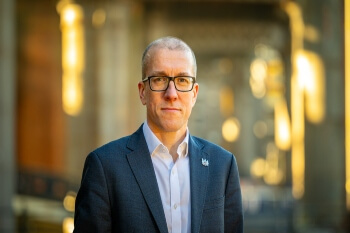
The Association of Directors of Adult Social Services (ADASS) has revealed that rising demand for adult social care left councils £715m over budget last year, the fourth consecutive year that care costs have risen. Councils are supporting growing numbers of adults with complex needs, including people whose care would previously have fallen under NHS Continuing Healthcare, alongside a sharp rise in safeguarding concerns and mental health needs. ADASS President Phil Holmes said the survey exposes a widening gap between Government ambition for social care and the funding actually made available to deliver it.
Social care is driving councils to seek emergency support
The financial strain is now the leading reason councils are turning to Government for exceptional financial support (EFS). New analysis shows that around 60% of councils cite social care as the main driver of demand behind their EFS requests, with the issue described as ‘taking centre stage’ in council finances. It's a clear sign that the pressure isn't confined to a handful of authorities, but is a structural, sector-wide problem.
Burnham warns the NHS could collapse without reform
Prime Minister Andy Burnham has made social care reform central to his early agenda, warning that the NHS will collapse under the strain of caring for people who shouldn't need to be there unless the care system is fixed. He has told the BBC he cannot commit to delivering a fully reformed system before the next election but says he wants to make ‘major changes’ sooner and will commit his political capital to the issue.
Baroness Casey's independent review of social care is due to report by 2028, though Burnham has pushed for faster progress. Reaction has been mixed: think tanks including the King's Fund and the Nuffield Trust have welcomed the focus on social care, while cautioning against treating it purely as a fix for NHS pressures rather than a vital service in its own right for people who need support to live independently.
Waiting times and unpaid carers under strain
Behind the headline figures, ADASS's survey points to strain across the system. More than 400,000 people are currently waiting for a care assessment, review or direct payment. Over half of adult social care directors report only partial or no confidence in meeting their legal safeguarding duties, and investment in support for unpaid carers has fallen for a second year running, even as the number of carers needing help continues to rise.
What it means for councils
For council leaders and directors of adult social services, the message from these findings is consistent: demand is rising faster than funding, and short-term fixes are no longer enough.
With a new Prime Minister publicly linking social care reform to the future of the NHS, councils have an opportunity to press for the sustainable, long-term investment and reform that ADASS says is needed to move beyond ‘sticking plasters.’ Whether that translates into real change before Baroness Casey's review concludes remains to be seen, but for now, the financial and operational pressure on councils shows no sign of easing.
Further reading:
Why councils should not wait for Westminster to fix social care
.png)