An economist has called for a ‘nationwide system of charging for roads by use’ in response to research that found traffic congestion cost motorists nearly £40bn in 2017.
The INRIX 2017 Global Traffic Scorecard has found the UK ranked in the top 10 most congested countries in the world — the third most congested in Europe behind Russia and Turkey.
UK drivers spend an average of 31 hours a year in congestion during peak hours.
The Scorecard analysed 111 cities and towns across the UK and found the direct and indirect costs of congestion for all drivers totalled more than £37.7bn last year — an average of £1,168 per driver.
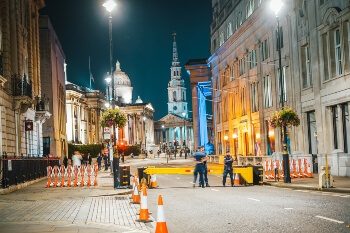
London was the UK’s most congested city with motorists spending approximately 74 hours a year in congestion during peak times, costing each of them £2,430 per annum.
Professor Roger Vickerman from the School of Economics at the University of Kent argues ‘road pricing’ would solve the problem of congestion.
‘What is needed is a nationwide system of charging for roads by use – road pricing,’ he explains.
‘We already have blunt instruments such as the London Congestion Charge, but a sophisticated system of electronic tolling would charge drivers for their actual use of the system and by differentiating by time of day can encourage those with flexibility to adjust their journeys to times of lower traffic volumes.
‘The current system of charging motorists is a tax on car purchase and ownership, and doesn’t distinguish by area of residence or actual use. Cars spend an average 95% of their life parked.
'Residents of rural areas, many of whom have no alternative to using a car, typically travel on the least congested roads, but pay the same in road tax and fuel duty.
‘Such drivers would be better off under a system which charged for the actual use of roads that reflected levels of congestion.’
Professor Vickerman noted that while building more roads and improving junctions can help in some cases, the evidence suggests that this just encourages more traffic.
‘Eventually, as with any limited resource, the only solution is one that uses price as a means of allocation – that’s how we charge for the alternatives such as bus, rail or air,’ he said.
‘The overall cost to road users would be less; the estimated average cost of that 31 hours of wasted time is £1168; that would pay for a lot of miles. Politicians need to grasp this nettle now.’