A new programme is to be rolled out to support councils and community health services in identifying early risk of preventable illness.
The Prevention Accelerators initiative is designed to improve long-term health by determining whether people are at risk of serious illnesses, such as cardiovascular disease, heart attacks, and strokes.
It has been developed by the Government to support councils, local NHS organisations, Mayoral Combined Authorities, and community partners, as part of a wider movement to shift the approach of health services from treatment to prevention.
Greater London, Greater Manchester, Liverpool City Region, South Yorkshire, and the West Midlands will be the first areas to see the launch of Prevention Accelerators, with the programme planned to begin this month.
According to the Department for Health and Social Care (DHSC), the scheme will initially aim to prevent cardiovascular disease and related conditions. It will involve testing of ‘innovative, community-led approaches that can be expanded across the country if proven successful’.
It also seeks to deliver targeted support to communities with the highest rates of preventable illness and premature death, assisting its goals to combat health inequalities.
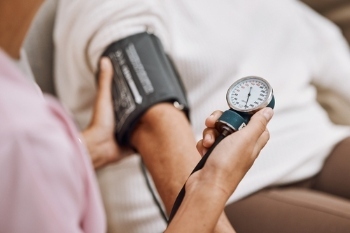
The initiative will improve access to blood pressure checks and control, which the DHSC says could ‘prevent millions of healthcare episodes’ in the next 10 years due to the decreased burden on GPs and hospitals.
Using a joint strategy which involves collaboration across local systems, the scheme will see that community groups (including charities, faith groups, and voluntary organisations) have a role to play in ensuring people are approached earlier.
To boost the uptake of those attending checks, the NHS will be changing their working method with partners and providing support in accessible locations other than GP surgeries. Among these are community centres, bus stations, and transport hubs.
Secretary of State for Health and Social Care James Murray said: ‘Our Prevention Accelerators will test new ways of keeping people well, bring together local NHS services, councils, Mayoral Combined Authorities and community organisations to identify people at risk earlier and provide support closer to home including in everyday community settings.
He added: ‘By working together, we can reach more people, tackle health inequalities, prevent heart attacks and strokes while reducing pressure on NHS services.’
.png)