An East Midlands city has become the first in the UK to ban use of ‘legal highs’, under efforts to tackle anti-social behaviour.
Residents in Lincoln will from April be forbidden from consuming intoxicating substances – such as alcohol and psychoactive material – in the city centre.
Councillors green lit the ban after a public consultation found 80% of respondents claimed to have suffered problems caused by ‘legal highs’ in the area.
The move will allow fines to be dealt to anyone found taking banned substances, which can also be confiscated by police officers.
Some 97% of the local population are thought to be in support of the new Public Space Protection Order, which comes on the back of new legislation introduced in October allowing town halls to tackle issues beyond alcohol consumption that are affecting the local area.
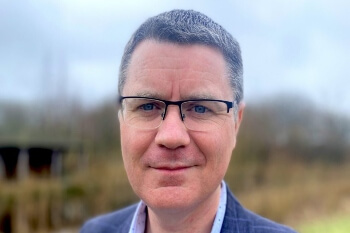
Council leader Ric Metcalfe said evidence proved ‘legal highs’ were having a ‘persistent, detrimental impact on local communities’.
‘Working with Lincolnshire Police, we are proud to be taking this proactive approach to tackle this emerging problem, protect Lincoln’s reputation and prevent further problems developing. We want our city centre to be a safe and welcoming place for residents and visitors alike,’ Metcalfe added.
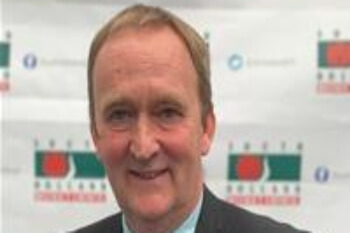
Sam Barstow, city council service manager for public protection and anti-social behaviour, added: ‘This is also about support as well as enforcement. We are keen to make sure that anyone using these substances is given the help they need. We’ll be working with local agencies to refer individuals for treatment.
‘We’ve had an overwhelmingly positive response to this move through the consultation and anecdotal evidence. It’s an issue that we know is affecting most major towns and cities in the country and we’ve received a lot of support from other councils interested in following our lead.’