District councils are the ‘sleeping giants of public health’ and should be seen as such by the NHS and other tiers of local government, according to a new report from The Kings Fund.
The health think-tank claims the existing work carried out by district councils in the integration of public health and care systems in England’s shire areas should be recognised.
Currently, according to ‘The district council contribution to public health: a time of challenge and opportunity’, district councils make a number of important contributions to health outcomes.
They look after the efficient and high quality management and ownership of affordable housing. According to the reports authors, housing costs are ‘the most important factor in the relationship between housing and poverty’.
Districts also deliver home adaptations to prevent avoidable domestic accidents, such as falls and trips, which burden the health service.
The provision of leisure facilities, green spaces, and homelessness prevention services by councils also has important health benefits.
The King’s Fund advises districts to focus on three key factors that, it argues, will help them become integrated into mainstream health policy. They should continue leading innovation in service delivery, strengthen their enabling role in the health of their communities, and prove effectiveness and show return on investment.
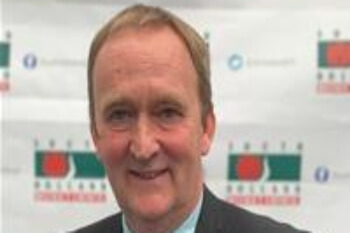
‘District councils have a long and proud history of providing public health services, and supporting positive health outcomes for our communities’, according to the District Council Network (DCN) chairman, Cllr Neil Clarke MBE.
‘Recent proposals for decentralisation across England’, he continued, ‘and the ongoing evolution of the public sector emphasises the need for clarity and recognition of the roles districts play in ill-health prevention, and greater understanding of the opportunities for greater collaboration and integration presented by devolution.’
The report urges the DCN to make sure its members are at the core of the integration and devolution agenda and calls for greater collaboration between local government, Clinical Commissioning Groups, and better alignment between health, social care and preventative services through Health and Wellbeing Boards.
The report’s co-author, David Buck, said: ‘For too long district councils have been the sleeping giants of public health. Maximising their role in service delivery and the wider determinants of health will be crucial for the millions of people who live in district council areas.’