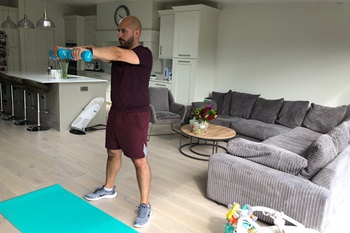
GLL’s Joseph Rham explores how the use of digital platforms is leading to measurable improvements in community health.
As local authorities and their partners increasingly focus on preventative healthcare, wellbeing and reducing pressure on NHS and social care services, evidence suggests that everyday digital tools, such as health and wellbeing apps, can play a meaningful role in improving population health.
A major international review* of nearly 50 studies found that online and app based health interventions can lead to measurable improvements in physical activity, diet, weight and sleep. Taken together, the findings point to a low-cost, scalable approach to supporting healthier lifestyles across diverse communities.
The research examined studies involving more than 200,000 participants and focused on digital interventions designed to improve behaviours such as physical activity, diet and sleep. These tools included smartphone apps that help users track their activity levels, text-message prompts that encourage healthier choices and web based programmes accessible from home.
The results demonstrate clear benefits for the general public. On average, people using digital health interventions increased their physical activity by around 45 minutes per week, including an hour of moderate to vigorous activity.
Daily step counts rose by more than 1,300 steps, while time spent sitting fell by around seven hours per week: a significant improvement given the well-established links between inactivity and long-term health conditions.
.jpg) |
| Live Better digital platform © GLL |
Positive changes were also seen in diet and weight. Participants increased their fruit and vegetable intake, consumed fewer calories and less fat and lost an average of 2kg over the course of the interventions. Sleep improved too, with reductions in insomnia severity and better overall sleep quality.
Informed by these findings and supported by our own in house research, GLL introduced the Live Better digital platform to our leisure centre members and as a standalone offer, at the beginning of 2026.
Our research shows that many hard to reach groups are engaging with digital tools to overcome long standing barriers to participation. For example, 28% of respondents said feeling uncomfortable or intimidated prevented them from visiting a gym, while 21% reported that time constraints limited their ability to exercise. The main benefits of using a fitness app were seen to be the ability to exercise without being around others (27%), the flexibility to work out at a time that suited them (33%) and not needing to travel (17%).
Live Better supports both physical activity and wider mental health and wellbeing. The platform offers ‘on demand’ fitness classes alongside a personal digital health coach that provides habit tracking and behavioural support for sleep, nutrition and mood. Users can also access virtual health advice, with the option of free 24/7 online GP consultations.
The results just one month in have been very encouraging, with 76,000 active users and a take up of over 25% in many of our leisure centres. To date, we have seen the most popular features are ‘on demand’ fitness classes and workout routines, followed by our ‘habits coach’ that provides guidance and support around mental wellbeing, nutrition, movement and sleep.
For local authorities, these insights will be particularly relevant. Many of the behaviours improved through digital interventions, such as physical inactivity, poor diet and disrupted sleep, are key contributors to long term conditions such as obesity, diabetes and cardiovascular disease. Even modest improvements at a population level can translate into healthier residents and reduced demand on the NHS and social care services.
Digital health and wellbeing tools also offer a flexible, cost-effective way to extend public health support. They can be delivered at scale, complement existing programmes and allow residents to engage in ways that suit their routines and preferences; potentially reaching individuals who may be less likely to use traditional services.
Sponsored by GLL.
.png)