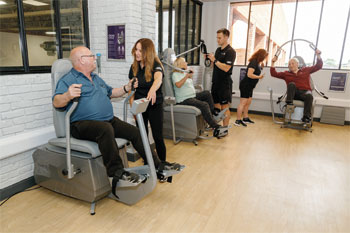
Tom Fairey, Development Director at Alliance Leisure, discusses how community spaces can strengthen local connections.
The Local Government Association released an important report titled, The role of sport, arts and culture in supporting community cohesion, highlighting how these sectors can play a vital role in building stronger, more connected communities. At a time when councils are under increasing pressure to deliver more with less, the report reinforces the importance of investing in spaces and services that bring people together in meaningful ways.
At Alliance Leisure, we work closely with local authorities to translate these principles into practical, deliverable solutions. Our focus is on helping councils embed community cohesion into long-term, sustainable strategies, ensuring that investment in infrastructure delivers lasting social value. There are several key considerations that can help maximise the impact of community-focused developments.
Firstly, we must consider the role of the building itself. Community venues can deliver far more than sport and fitness opportunities. When designed and managed with community use in mind, they can become inclusive, shared spaces where people from different groups feel comfortable spending time together, for example with multi-use rooms.
Take a look at our project at Mablethorpe where the Station Leisure and Learning Centre was built around flexible spaces.
The physical environment itself also plays a crucial role in shaping how people interact with a space. Buildings that feel outdated, confusing to navigate or difficult to access can unintentionally create barriers, discouraging people from using them. In contrast, well-designed environments featuring welcoming entrances, intuitive layouts, clear signage and accessible facilities can make a powerful difference. When people feel comfortable and confident in a space, they are far more likely to return and to engage with others within it.
Equally important is the timing and quality of community engagement. Too often, consultation takes place too late in the process, when key decisions have already been made. This can limit the sense of ownership that local people feel and reduce the likelihood that a facility will truly meet community needs. Engaging early, and doing so in a meaningful way, helps to build trust and ensures that a broader range of voices is heard. This includes making a conscious effort to involve under-represented groups, whose perspectives are often missing from traditional engagement processes.
By shaping services and spaces around genuine local insight, councils can create facilities that reflect and respond to the communities they serve.
It is also important to connect capital investment to long-term activity. A new or refurbished facility is a strong start, but the real impact comes from what happens week after week once the building opens. Regular, low-barrier sessions, intergenerational activities and partnerships with local organisations, youth services and community groups can turn a venue into part of everyday life.
Outdoor spaces matter too. Informal areas like skate parks, pump tracks and multi-use game spaces often become natural gathering points, especially for young people. When they are well designed, properly located and again, shaped by local input, they can be positive shared spaces.
Finally, the article touches on the challenge of making the case for prevention when budgets are tight. That is something we recognise and actively work with our clients to make capital investments affordable, without making compromises. It helps when cohesion goals are linked to clear outcomes, whether that is wellbeing, skills creation, reduced isolation, youth engagement or community safety. Being able to explain and evidence those benefits makes it easier for leaders to back long-term investment.
Creating cohesive communities does not happen by accident. It requires thoughtful design, meaningful engagement and a commitment to sustained activity over time. By taking a holistic approach - one that considers buildings, people and programmes together – councils can unlock the full potential of community spaces and deliver lasting impact for the communities that they serve.
Find out more about how Alliance Leisure work by visiting their website: https://allianceleisure.co.uk
Sponsored by Alliance Leisure.
.png)