Almost nine in 10 councils placed children in unregistered homes this year due to limited registered options, research has found.
According to the Ofsted annual report by His Majesty’s Chief Inspector of Education, Children’s Services and Skills, Sir Martyn Oliver, nearly 900 investigations into potential unregistered children’s homes were undertaken this year, with the growing demand for homes resulting in a ‘crisis both for children and for local councils’.
Highlighting the ‘rapid growth in the number of homes and their concentration in areas where housing is cheaper’, the report cautions that ‘profiteering’ motives of operators are detrimental to vulnerable children and the wider system.
‘Given the number of new children’s homes being created, it’s counter-intuitive that so many local authorities are finding it hard to place children in registered homes – particularly children with complex needs’, the report reads.
The report warns that councils are facing ‘spiralling costs’ and paying disproportionate rates for unregistered homes due to a lack of viable alternatives.
‘This shadow market only exists because there aren’t enough of the right kinds of places in legitimate registered homes to take the children who most need specialist support’, the report argues.
While acknowledging the valuable work carried out by social care and education workers, the report suggests that expanding the foster carer workforce could alleviate issues in the children’s home sector by decreasing the number of children needing places.
It also calls for a strategy to ‘incentivise homes that can support the children with the most complex needs without claiming a disproportionate slice of a local authority’s budget’, as well as collaboration between the Government and local authorities to help end the use of unregistered homes.
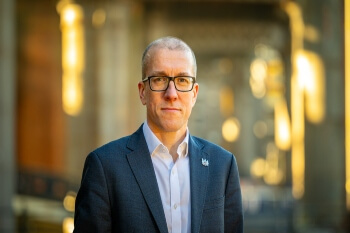
Sir Martyn Oliver said: ‘The most vulnerable children in our society deserve loving and stable homes. Instead, profit motive is increasingly dictating the location and ownership of children’s homes. As a society, we are failing these children. We can and must do better.’
.png)