Laura Sharman 27 January 2022

Benefit reforms could lead to 'poorer health' campaigners warn

Benefit reforms could lead to poorer health campaigners warn image
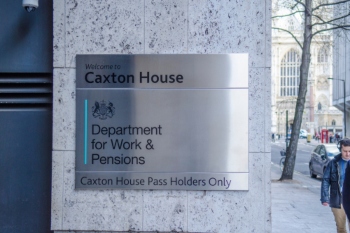
Image: Willy Barton / Shutterstock.com

Plans to reform Universal Credit to move half a million people into jobs by the end of June could lead to poorer health, a charity has warned.

Under the measures, claimants now only have one month to find a job in their preferred sector before facing the prospect of sanctions.

The Way to Work campaign will require people to look for work in another sector after one month rather than three months in order to continue receiving their benefit payment.

However, the Health Foundation warned the move could force people into low quality jobs and lead to poorer health.

Assistant director for healthy lives, David Finch, said: at the Health Foundation, said: 'Research has shown that benefit sanctions are associated with higher levels of anxiety and stress, directly harming health as well as risking health by cutting incomes.

'The new measures may help unemployed people to look for a wider range of jobs sooner, but they also need support to retrain and time to find good quality work. Given the risks to people’s health from low quality jobs, and the higher likelihood of unemployed people having poor mental health, pushing them quickly into a low-quality roles is not something government policy should be encouraging.'

Work and pensions secretary Thérèse Coffey said: 'Way to Work is a step change in our offer to claimants and employers, making sure our jobcentre network and excellent Work Coaches can deliver opportunities, jobs and prosperity to all areas of the country.

'As we emerge from COVID, we are going to tackle supply challenges and support the continued economic recovery by getting people into work. Our new approach will help claimants get quickly back into the world of work while helping ensure employers get the people they and the economy needs.'


Skills Pipelines: What local government needs to know image

Skills Pipelines: What local government needs to know

Councils and mayors are to be handed a central role in developing skills pipelines for local industries, as the Government unveils what it calls a ‘fundamental change’ to the education system aimed at tackling youth unemployment. Here's what council leaders and officers need to know.
SIGN UP
For your free daily news bulletin
Highways jobs

Residential Support Workers - Development Programme

Durham County Council
£26,403 - £28,598 per annum. Pay award pending.
Residential Support Workers – Temporary 12 Month development opportunity Salary
Recuriter: Durham County Council

Team Leaders

Durham County Council
Grade 8 £32,597 - £36,363 (pay award pending)
Team Leaders – Opportunities are available across the County Durham Area   Salary
Recuriter: Durham County Council

Residential Workers

Durham County Council
Grade 7 £30,024 - £33,699. Pay award pending.
Residential Workers - Opportunities are available across the County Durham Area Salary
Recuriter: Durham County Council

Service Design Lead

Durham County Council
£40,777 to £45,091 p.a. (Grade 11) Pay award pending
We are looking for an experienced and confident Service Design Lead to play a key role in shaping the future of customer services within Durham County Durham
Recuriter: Durham County Council

2 x Health Care and Education Assistants

Durham County Council
£24,796- £25,185 (Pro Rata)
Temporary Contract until August 2027, with the potential to extend, subject to funding. Part Time- 34 hours per week (8.40am to 4pm Mon-Fri) Term Time Spennymoor
Recuriter: Durham County Council
Linkedin Banner