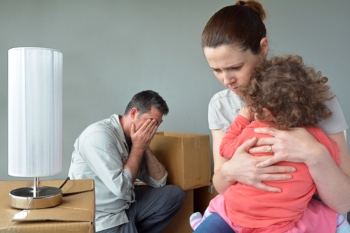
More than 36,000 households became homeless in the three months after the ban on evictions ended in England, according to new data.
The Government figures show that between July and September 2021 36,510 households were tipped into homelessness, nearly 400 households per day. This is down 4.6% from the same quarter last year but above July to September 2019 before COVID-19.
The figures show that the loss of a private tenancy was given as the reason a fifth of all households were homeless or at risk of becoming homeless, with 4,440 households receiving a Section 21 ‘no fault’ eviction notice from their landlord. This is an increase of 33% on the previous quarter.
The number of people facing homelessness due to escaping domestic abuse has increased to 17.3% from 13.7% from the same quarter last year.
Polly Neate, chief executive of Shelter, said: 'Last summer, even with some Covid protections still in place, nearly 400 households a day were thrown into homelessness. Now, living costs are spiralling and all the protections are gone, even more people will be exposed to homelessness.'
She added: 'The end of the eviction ban has triggered a rising tide of homelessness that could turn into a flood. No-one should have to face homelessness alone, which is why we urgently need the public’s support so that we can keep picking up the phone and give anyone who needs it free and expert help.'
A Department for Levelling Up, Housing and Communities spokesperson said: 'The vital action we took since the beginning of the pandemic helped keep thousands of people in their homes.
'This builds on the Homelessness Reduction Act which since 2017 has stopped almost 450,000 households from becoming homeless. We will build on this success with £316m invested this year to tackle the issue. We will also end Section 21 no-fault evictions and will legislate as soon as practicable.'