A London borough is planning to partner with other councils and build homes outside the capital, admitting ‘there isn’t enough space’ in its own boundaries.
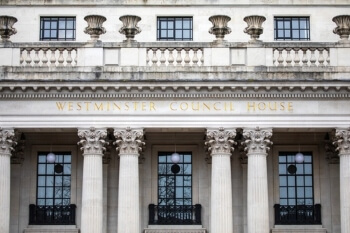
Westminster City Council’s draft housing strategy has outlined the council cannot keep up with demand for affordable housing without constructing residences outside London.
The borough said it would ‘be mindful’ of the pressures such an approach could place on other local authorities where these homes are built, pledging to support regeneration and ‘ensure the sustainability of local communities’ wherever possible.
However the issue of relocating residents outside of London has remained divisive, with boroughs including Wandsworth recently accused of ‘social cleansing’ for inviting tenants to move to privately owned residences in locations such as Birmingham.
Westminster’s plan outlines that it will explore working with other town halls to develop properties outside of London, providing ‘more housing and choice’ to residents and ‘helping address London’s chronic housing shortage’.
It also proposes building 1,250 more affordable properties in Westminster over the next five years, while changing planning policy to see 60% of new affordable homes delivered through agreements with private developers each year being for low and middle income households and 40% social properties.
Cllr Daniel Astaire, cabinet member for housing, regeneration, business and economic development, said: ‘We are a council of action, not words. This year we’ll lay foundations for 350 new homes as part of an investment of over £60m to provide more high quality homes. We can, and will, do more.
‘But we cannot meet all our housing needs within the city’s boundaries – there isn’t enough space and what there is is among the most expensive in the UK.
‘London as a whole faces unprecedented demands for housing and meeting this challenge will need cross-London approaches. We will take a lead in working with other boroughs and the mayor to develop some fresh ideas and I hope this draft strategy will start the debate.’