In town halls across the country, planning officers are racing to update their Local Plans — but this time, the process looks very different.
In 2025, with major reforms now law and the pressure to deliver new homes and infrastructure rising, the traditional way of doing things is rapidly giving way to something faster, smarter, and — crucially — more democratic. This challenge is compounded for many councils as a result of planned devolution, resulting in the communities they represent growing even larger.
A new report, from the UK’s leading citizen engagement platform Commonplace, draws on over 10 years of planning experience, more than 50 Local Plan engagements and over half a million public contributions, and paints a picture of a planning system in transition. It tells the story of how councils are using digital tools to make Local Plans more accessible, more inclusive, and more effective.
The local plan reimagined
The introduction of the Planning and Infrastructure Bill (2025) has elevated the role of Local Plans to the heart of England’s development agenda. Housing delivery targets have returned, a new Nature Restoration Fund is in place, and digital consultation is no longer optional — it’s essential.
Councils are under renewed pressure to hit milestones, demonstrate community support, and ensure their plans are legally watertight. For local authorities, this means one thing: get the Local Plan right — or face the consequences.
But engaging communities in the plan-making process has long been a sticking point. Planning remains technical, often opaque, and too easy to ignore. So how do you open the process up? The answer, increasingly, lies in digital transformation.
Tech tools for a planning revolution
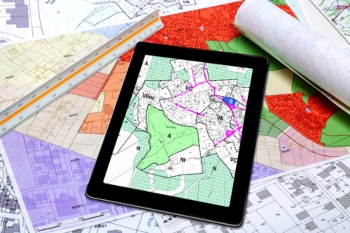
From sentiment-scanning AI to immersive 3D modelling, digital planning tools have come of age — and some councils are already showing what’s possible.
Take Milton Keynes, where the city’s 'New City Plan' was designed with the help of a Youth Council and gamified digital engagement.
In Lambeth, contentious Low Traffic Neighbourhoods were reintroduced using interactive digital models to visualise street changes. And in Walsall, a borough that had long struggled to reach younger and more diverse voices, a new digital platform helped close long-standing engagement gaps.
These aren't isolated stories. They’re signals that the old model — paper forms, town hall meetings, and underwhelming response rates — is being replaced by something far more dynamic and inclusive.
More voices, more value
The firm behind much of this innovation is Commonplace, now part of the international civic tech platform Zencity. Over the last decade, Commonplace has supported over 3,500 local projects and amassed more than 10 million interactions from UK residents. Their analysis shows that digital tools aren’t just reaching more people — they’re changing who participates. In one case, a local plan engagement saw over a third of responses come from people under 44, an age bracket that is notoriously difficult to consult with on such plans. In another, ethnic minority communities and residents from lower-income neighbourhoods were represented at far higher rates than traditional consultations had ever achieved.
Crucially, the feedback isn’t just collected — it’s being used. AI and Natural Language Processing (NLP) tools are helping councils quickly identify trends, sentiment and priorities, allowing for faster policy development and more responsive planning decisions.
Engagement in the age of reform
The updated National Planning Policy Framework (NPPF) and 2025 legislation have changed the stakes for local engagement. With policies like mandatory housing targets, presumption in favour of development, and stricter build-out timelines, communities now have fewer chances to influence what gets built and where. That means Local Plans — and how they’re shaped — have become the critical moment for public input.
But reforms also open the door to more proactive engagement. With support for digital planning written into government guidance and funding available through schemes like the PropTech Innovation Fund, councils have an opportunity to rethink how they listen. Still, risks remain. Without inclusive digital strategies, entire groups can be left behind. The digital divide is real — and planners must be careful not to replace one barrier to participation with another.
What people really care about
Commonplace’s latest data, based on analysis of over 500,000 community contributions, reveals what topics dominate the public mind:
- Green infrastructure consistently ranks highest — particularly among younger people.
- Retail and high streets remain a vital concern for nearly every age group.
- Public transport attracts attention from both older and younger residents.
- Housing density and mix generates high engagement — and strong opinions.
- Safety is a top issue for middle-aged respondents, especially parents.
Understanding these priorities can help councils not only shape better policies — but communicate them more effectively.
The road ahead
Planning in 2025 is no longer business as usual. The pace is faster, the demands are higher, and the pressure to engage meaningfully has never been greater.
But digital tools offer a way forward. They allow councils to run more responsive consultations, reach harder-to-reach groups, and make evidence-led decisions that genuinely reflect local needs.
As one planning officer put it: 'We used to fight to get people to comment. Now, we have the tools to make it easy — and make it count.'
The challenge now is consistency. Successful councils aren’t just adopting digital engagement as a one-off. They’re embedding it as a core part of plan-making, from early visioning to final policy decisions.
The question is no longer whether to go digital — but how to do it well, and how to ensure every voice is heard.
For more insights, to download the full report and view Commonplace’s Local Plan webinar visit www.commonplace.is.
This article was sponsored by Commonplace.