Ellie Ames 25 January 2024

Brighton U-turns on pesticide use

Brighton U-turns on pesticide use image
Image: Vladimir Konstantinov / Shutterstock.com

The use of a controversial pesticide will be reintroduced by Brighton and Hove City Council less than five years after it pledged to become ‘pesticide free’.

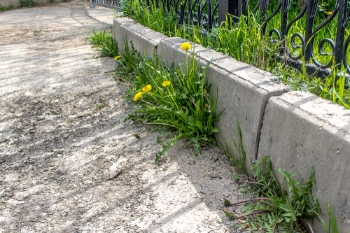
The local authority said since it stopped using glyphosate in 2019, Brighton’s weed problem has gotten ‘out of control’, with some streets ‘inaccessible to wheelchair users, parents and carers with buggies and those with visual or mobility impairments’.

A committee this week agreed that the council will restart using glyphosate this spring. It will use a ‘controlled-droplet application’ and mix the pesticide with an oil that helps it stick to weeds in a bid to reduce the impact on other wildlife.

This controlled application is expected to cost £191,000 more in 2024 than a traditional method, and the decision is subject to the approval of the council’s budget.

Brighton and Hove said it will use glyphosate to kill weeds on roads and pavements, as well as in parks and open spaces when dealing with invasive species.

The local authority pointed out that in 2023, the European Union approved the use of glyphosate for another 10 years.

However, Pesticide Action Network (PAN) UK said it has been found to harm pets and wildlife, including bees, and the International Agency for Research on Cancer has labelled the pesticide as ‘probably carcinogenic to humans’.

The head of policy and campaigns at PAN UK, Josie Cohen, said there are more than 50 councils in the UK that have gone pesticide-free while ensuring their streets remain well-kept and accessible, with another 60 ‘well on their way’.

She added: ‘Councils need to avoid the trap that Brighton has fallen into of listening to a small but vocal minority complaining about weeds.

‘The vast majority of residents want their council to prioritise the protection of human health and urban nature.’


Skills Pipelines: What local government needs to know image

Skills Pipelines: What local government needs to know

Councils and mayors are to be handed a central role in developing skills pipelines for local industries, as the Government unveils what it calls a ‘fundamental change’ to the education system aimed at tackling youth unemployment. Here's what council leaders and officers need to know.
SIGN UP
For your free daily news bulletin
Highways jobs

Support Services Officer Bereavement

Durham County Council
£26,403 to £28,598 p.a. pro rata (Grade 5)
We are looking to appoint a Support Services Officer – Bereavement to join our Business Support team, providing a vital, customer-focused service to r Durham
Recuriter: Durham County Council

Cleaner

Durham County Council
£24,796 (Pro Rata)
10.5 hours per week - Either 6.00am-8.06am or 3
Recuriter: Durham County Council

Recovery Worker

Durham County Council
Grade 7 - £30,024 – £33,699 per annum (Pay award pending).
Do you want to make a real difference to the lives of people experiencing hoarding and self-neglect behaviours?   As an Agile Recovery Worker within o Durham
Recuriter: Durham County Council

Research and Insight Officer

Durham County Council
£35,412 - £39,152 (pro rata) pay award pending
Temporary 15 hour post for 6 months   WHAT IS INVOLVED? The Research and Insight officer will play a key story telling and sense making role across th Spennymoor
Recuriter: Durham County Council

Principal Public Protection Officer

Middlesbrough Council
£45,091 - £50,269
We have an exciting role on offer as a Principal Public Protection Officer in our new Empty Properties team in the Public Protection service. Middlesbrough, North Yorkshire
Recuriter: Middlesbrough Council
Linkedin Banner