
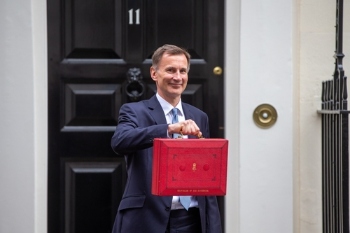
The budget provided welcome support for local leaders to strengthen growth, but bolder action is still required to tackle precarious finances, says Amanda Kelly, public sector lead at PA Consulting.
The Chancellor’s spring budget included various measures targeted towards strengthening local places – including devolution deals in places such as Warwickshire and Surrey, as well as a new trailblazer devolution deal for the North East. Alongside other place development investment pots, Mr Hunt pledged £100m for levelling up funding for cultural projects and a long-term plan for 20 new towns to invest in community regeneration.
This is all welcome but the undoubted elephant in the room was the lack of announcements for local authorities, many of whom are facing precarious financial challenges. Thriving local places depend on thriving public services and local leaders will need to work hard to create impact from the 2024 budget.
What are the key measures and what do they mean for local leaders?
Devolution to local leaders
It is good to see more devolution of powers to local leaders, an essential move as we remain the most centralised of all the OECD countries.?We need Treasury to now work with those leaders to ensure money and power are positioned to best support local self-determination. This is the best route to increasing productivity in places and really delivering on the levelling up ambition.
More places who want a deal seem to be getting one – and more places with a deal are getting extensions. We’re clearly going to see continued devolution, and it seems to be an area where there is genuine cross government agreement on the direction of travel.
The biggest risk to delivering on the ambition for local areas is the funding crisis facing local government. This is the backbone of services to local communities, and yet 50% of councils fear bankruptcy within five years and one in 10 fear bankruptcy will happen within one year. Local leaders urgently need certainty and consistent funding and a move away from one year funding settlements. We also desperately need to provide as much attention and investment in social care as we do to health if we are going to unlock the demand pressures facing local authorities.
Rethinking how we resource the unique needs of our regions
Longer term, more flexible funding on both resource and capital is long overdue, so while individual initiatives can be useful, we need to fundamentally rethink how we are going to respond to and invest in the strengths in our regions. That includes tapping into the unique identities of regions – including ensuring we are equipping people with the right skills to meet the needs of local employers.
We’re already seeing innovative plans in places like Greater Manchester where they have proposed a Manchester Baccalaureate to provide an equal pathway for technical education. If we are to boost productivity in our regions, we need to be more innovative in thinking about how we invest in people.
Levelling up cities outside of London
Levelling up might come and go as a term but inequalities between and within regions have been around for generations. Increased productivity was a key principle of the Chancellor’s speech. Arguably, the best way of getting that growth is from investment in our regions including investment in transport infrastructure and improving skills training for those entering the workforce or retraining later in their careers.
Another step the Government could implement would be a move to a more sustainable long-term funding settlement for places. Ideally, at least five years. That means no more one-year funding cycles and bidding pots. They don’t work and they don’t support investment in doing things differently.
This was a budget that would have pleased many who are keen to see greater devolution to our local places. It was perhaps less welcomed by those who are currently delivering local public services and who are facing very difficult choices about which services to cut. The recent budget proposals shared by Birmingham City Council made for very grim reading. Local government leaders do, however, have a long history of delivering and arguably have the strongest levers to make change happen – including the strength of relationships with their local communities.
We will need them to stand ready as trusted partners to support any incoming Government to deliver the public service reform that is so desperately needed.
For more on the budget, check out, Budget: What does it mean for local government?