The Government’s recent announcement to deliver a £2bn growth fund reinforces what most of us already know – that regional led investment can deliver the significant growth and returns needed to support sustainable economic recovery across the UK.
LEP’s started life with no resources, no formal powers, and no balance sheet to fall back on. How far they have come, to be now facing a dilemma of both what to do with the cash and with their new found responsibilities. Uppermost in their minds being how to generate the full value that the investment makes possible.
As is often the case with “ground breaking” Government investment announcements, much of the funds are recycled and so in some cases will not automatically have a game-changing impact; especially in those areas already committed to long term programmes of work. The real value will come only where the recipient LEP seizes the opportunity to use the initiative as a platform to do things differently.
In theory, funding was only allocated to projects with some sense of deliverability, but from a local media perspective in those areas where clarity of purpose and ability to deliver is already a question, such funding may be seen as 'an embarrassment of riches'. The pressure is now on to show that there is a credible and deliverable pipeline of opportunities to absorb the funding - as well as the skills and resources and capacities to make it real. There is of course no such things as free lunch, and make no mistake, Government will employ quite robust measures for progress and outputs.
The structure of the funding and it's timing in the electoral cycle also creates a dilemma; should a region work on the funded bird in the hand or wait for the promised two in the bush? Clarity from all the political parties on the commitment to ongoing funding post May 2015 would be most welcome and create far greater regional confidence - especially amongst the private sector investment partners the regions must woo if they are to be truly successful.
Delivering sustainable growth by ‘joining the dots’ of activity will be about taking a programme-based approach to delivery. Without a fully integrated programme in place, built around a clear vision & strategy, and connecting all participants within the region as well as linking to the national agenda, the regions may miss a once in a generation opportunity to really boost local jobs and economic growth; and in doing so play their part in driving UK growth and rebalancing the economy.
LEP’s and their partner councils must be able to show their ability to set up a programme and engage with public and private partners and ensure that private partner funds reach the much needed marginal areas and to deliver sustainable returns and value. Successful regions will ruthlessly focus on;
- an ambitious vision and strategy that is additive to the economy at large
- a robust, investment-grade prospectus for regional regeneration and growth
- a programme-driven delivery vehicle
- a pragmatic governance model that manages risk and reacts to change whilst keeping the required outcome in sight
We must also recognise that none of this will happen without energetic, entrepreneurial and truly collaborative partnerships across public and private sector bodies and with local needs aligning with national strategies to reinforce Britain’s position as being open for business
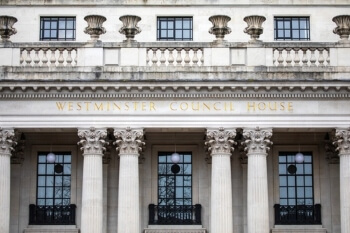
One already senses that Bill Clinton’s campaign mantra of ‘It’s the economy, stupid” is ringing soundly across the Westminster village. The Government and opposition are broadly in support of the LEP model; however failure now would set back further devolution by years and weaken our national economic recovery.
Peter Hogg is head of government and municipals at EC Harris