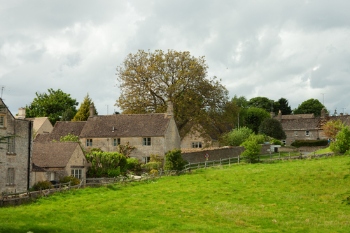
The chief executive of the Rural Services Network (RSN), Kerry Booth, sets out rural councils' key asks of the next government.
As the next government prepares to take the reins, it is imperative to consider the unique challenges and untapped potential within rural communities across England. The RSN is the national champion for rural services, dedicated to championing the rights, needs, and potential of rural communities across England. Our focus is on highlighting key priorities that, if addressed, can drive substantial benefits not only for rural areas but for the nation as a whole. Here, we outline our primary asks on behalf of rural councils.
1. Fairer funding for rural councils
Rural councils face significant funding challenges compared to their urban counterparts. The RSN’s campaign, ‘Winning the Rural Vote’, underscores the necessity for a revised funding formula that acknowledges the higher costs associated with delivering services in sparsely populated areas. Despite a population larger than Greater London, rural areas receive significantly less funding for essential services. Urban residents receive 36% more in government funded spending power per head compared to rural residents. Ensuring fair funding is not just about equity for rural areas, but about securing sustainable and effective public services for all.
2. Investment in digital infrastructure
Digital connectivity is the backbone of modern economies, yet many rural areas lag in broadband and mobile coverage. The next government must prioritise investment in digital infrastructure to bridge this gap. Enhancing connectivity will enable rural businesses to compete effectively, support remote working, and improve access to online services. Approximately 53% of rural premises in England cannot access a gigabit-capable broadband connection, and 55% cannot access full fibre broadband. Robust digital infrastructure can unlock economic potential and improve quality of life in rural communities.
3. Affordable housing and sustainable development
The availability of affordable housing in rural areas is critical to attracting and retaining residents, particularly younger working populations. Housing is less affordable in rural than in urban areas, with rural residents facing high house prices and lower incomes. The RSN calls for policies that support sustainable development, ensuring that new housing meets the needs of rural communities without compromising the environment. Affordable housing is crucial for maintaining local support networks and community ties and supporting the local economy.
4. Enhancing rural transport links
Transport connectivity remains a significant barrier for rural communities. Limited public transport options can lead to social isolation and restrict access to employment, education, and healthcare. The RSN advocates for enhanced rural transport links, including investment in public transport, road maintenance, and innovative solutions like demand-responsive transport services. Improved connectivity is vital for economic development and social inclusion.
5. Supporting rural economies
Rural areas possess significant economic potential, particularly in sectors such as agriculture, tourism, and green energy. Targeted support can stimulate growth in these sectors, including access to finance, business support services, and investment in skills training. When rural economies thrive, they contribute significantly to national prosperity, creating jobs, and fostering innovation.
6. Addressing health and social care inequalities
Health and social care services in rural areas often face unique challenges, including workforce shortages related to unaffordable housing and higher delivery costs. Rural residents face distinct healthcare challenges, including limited access to transport, longer distances to medical facilities, and recruitment hurdles for healthcare workers. The RSN urges the next Government to implement policies that address these disparities, ensuring rural residents have access to high-quality health and social care.
7. Promoting rural proofing of policies
The concept of rural proofing ensures that the needs and circumstances of rural communities are considered in policy development. The RSN’s review of DEFRA’s third rural proofing report for 2024 underscores the importance of this approach. It calls for rigorous implementation and monitoring to ensure policies do not inadvertently disadvantage rural areas. Rural proofing is essential for creating policies that are inclusive and effective across the entire country.
8. Net Zero asks
Achieving net zero emissions is a crucial goal, and rural areas have a vital role to play in this transition. The RSN advocates for policies that support rural areas in contributing to the net zero agenda, including investment in renewable energy projects, sustainable farming practices, and green infrastructure.
9. Planning for sustainable development
Planning policies should consider the needs of rural areas to ensure they can create thriving, sustainable communities with not only the right houses in the right places but the infrastructure and services to support them. Planning policies should facilitate the development of renewable energy sources and ensure that rural areas are not disproportionately affected by the costs of transitioning to a low-carbon economy. Rural areas can be at the forefront of the net zero revolution, contributing significantly to national targets while reaping the economic benefits.
The next Government has a pivotal role in addressing the distinctive challenges and harnessing the vast potential of rural areas. Fair funding is our overarching call to government, ensuring rural councils can deliver the services their communities deserve. By focusing on fair funding for rural councils, which underpins digital infrastructure, affordable housing, transport connectivity, economic support, healthcare equity, rural proofing, and sustainable planning, the government can foster thriving rural communities that contribute significantly to the nation's prosperity. Addressing these key areas will enable rural areas to not only survive but thrive, benefiting the entire nation.
To find out more about what local government stakeholders want from the next government, check out the rest of our NextGov series.