William Eichler 04 November 2024

NAO: 60% of buildings with flammable cladding still not identified

NAO: 60% of buildings with flammable cladding still not identified image
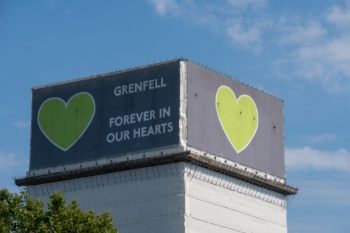
Image: Alex Danila / Shutterstock.com.

Up to 60% of buildings with dangerous cladding have not yet been identified seven years on from the Grenfell Tower fire, according to the National Audit Office (NAO).

A new report from the NAO found there has been a ‘substantial increase’ in remediation activity since 2020 with 4,771 buildings brought under the Government’s remediation scheme.

However, the audit office warned it was ‘taking longer than expected’ to identify affected buildings and added ‘some may never be identified.’

According to the NAO’s report, there are a potential 7,200 buildings or more – up to 60% – that have not been identified. It warned the Government might miss its own cladding removal completion date of 2035.

The building safety minister Alex Norris acknowledged that the pace of remediation has been ‘unacceptably slow’,

The auditors’ report also estimates it could cost between £12.6bn and £22.4bn, with a best estimate of £16.6bn, to complete remediation work.

Government funding for this work is capped at £5.1bn and developers are expected to cover £3.4bn through a levy.

Chancellor Rachel Reeves announced £1bn in last week’s budget to accelerate the removal of dangerous cladding.

The NAO also found that in 2023-24 around £500,000 was lost from the Building Safety Fund through a fraudulent claim by one applicant.

Gareth Davies, head of the NAO, commented: ‘Seven years on from the Grenfell Tower fire, there has been progress, but considerable uncertainty remains regarding the number of buildings needing remediation, costs, timelines and recouping public spending.’

Cllr Adam Hug, the Local Government Association (LGA) spokesperson on building safety, said councils are determined to ensure residents are safe but face ‘significant barriers’ in accessing funding.


Skills Pipelines: What local government needs to know image

Skills Pipelines: What local government needs to know

Councils and mayors are to be handed a central role in developing skills pipelines for local industries, as the Government unveils what it calls a ‘fundamental change’ to the education system aimed at tackling youth unemployment. Here's what council leaders and officers need to know.
SIGN UP
For your free daily news bulletin
Highways jobs

Director of Legal & Governance (Monitoring Officer)

Reading Borough Council
Up to £112k
You’ll provide overall strategic direction and professional leadership to our Legal and Democratic Services team Redbridge, London (Greater)
Recuriter: Reading Borough Council

Director of Digital & IT (CDIO)

Reading Borough Council
Up to £122k inc. market supplement
You will establish a clear and ambitious digital strategy, bringing together technology, data, information governance and service transformation Redbridge, London (Greater)
Recuriter: Reading Borough Council

Lunchtime Supervisor

Durham County Council
£25,614 pro rata
Lunchtime Supervisor required to start as soon as possible.    We are seeking to appoint a Lunchtime Supervisor to join our Belmont family team. This Durham
Recuriter: Durham County Council

SEND Participation Engagement Officer

The Royal Borough of Kensington & Chelsea Council
£40,404
You’ll also represent young people’s perspectives at service level meetings and champion robust safeguarding practices London (Greater)
Recuriter: The Royal Borough of Kensington & Chelsea Council

Social Worker, Young People with Disabilities (16 - 25)

Essex County Council
£36124.0000 - £51834.0000 per annum
Social Worker, Young People with Disabilities (16 - 25) mid TeamPermanent, Full Time£36,124.00 to £51,834.00 Per Annum Location
Recuriter: Essex County Council
Linkedin Banner