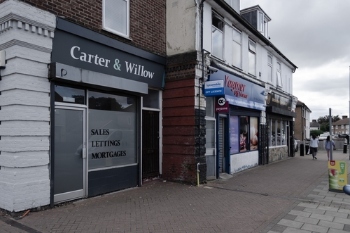
Local shopping parades in deprived areas are hindered from delivering their key functions, research has found.
According to a report from the Independent Commission on Neighbourhoods (ICON), titled ‘Pride in Parades II: Strategies for Renewing Neighbourhood Social Infrastructrure’, neighbourhood parades are a key aspect of community life and deliver a ‘core social function’.
In contrast to high streets in bigger city centres and towns, the report frames smaller neighbourhood parades as ‘crucial hyperlocal hubs’ but emphasised that the function of parades in more deprived areas is ‘unrecognisable’ compared to those in affluent areas.
The research found that local parades in deprived neighbourhoods have more transport exclusion and roughly 25% less social infrastructure services, including gyms, leisure centres, cafes, and pubs. In addition, they have less than half the number of third spaces, half the amount of extracurricular childcare assets, and 70% more retail venues such as betting shops, off licenses, and takeaways.
It also revealed that healthy lifestyles are not supported as successfully by deprived neighbourhood parades, which contain less healthy food retailers and more unhealthy ones, as well as half the number of health-promoting amenities.
As part of its policy recommendations, the report advises boosting the ‘curation and cultivation of social infrastructure’ across local parades in disadvantaged neighbourhoods. To enact these aims, it suggests improving place management capacity by using council-owned, community-run partnerships, or Community Asset Stewards, to manage assets.
ICON also calls on the Government to increase the availability of health-promoting amenities in disadvantaged parades to help enhance health outcomes. For example, the report suggests supporting local entrepreneurs and social enterprises with grants to open health and wellness-based services.
It also promotes the use of low-cost canteens or cafes to provide affordable, nutrient-dense meals, and recommends the development of Neighbourhood Service Hubs that deliver preventative services, long-term holistic health support, and ‘soft interventions’ for members of the community.
.png)