Our young people are our future. Yet how do we do enough to provide them with the right opportunities to engage them in education, employment, and training? This has been a longstanding priority for us in the West Midlands and for many others across the country, yet with the impact of COVID-19 being felt across all sectors, as well as affecting us as individuals in more ways than one, we need to focus our efforts on ensuring our future generation have the support they need to succeed.
The answer almost certainly lies in understanding the needs of our community – including individuals and employer demands – and effectively engaging with young people in a way that is relatable and engaging for them.
In an uncertain period, young people are experiencing anxiety around educational progress, future prospects, and careers, not to mention the general direction of where our society and economy are heading. In a recent report conducted by Beatfreeks, 58% of young people said they were not sure about their future, with 77% of self-employed young people stating that they had lost work.
Without significant action now, the longer-term effects will be just as stark; the Learning and Work Institute predicts that at least 500,000 16-24-year olds will face long-term unemployment over the next 18 months. In the West Midlands alone, the number of claimants aged 16-24 has increased by 89%.
Therefore, we must act now to ensure this doesn’t continually affect their prospects and wellbeing, which would otherwise have severe implications for our economy. As part of this, local authorities play a critical role utilising their on-the-ground knowledge, expertise and networks to engage with young people and provide them with access to relevant training and employment opportunities within their area.
For example, the West Midlands Combined Authority (WMCA) has made it a priority to support all young people, but especially those not in education, employment or training (NEET). We know that no one organisation can achieve this in isolation or claim to have all the answers. We have been working alongside the Department of Work and Pensions (DWP), local authority partners and voluntary sector organisations via a Youth Unemployment Taskforce, chaired by Cllr Ian Brookfield, leader of City of Wolverhampton Council. Through this Taskforce, we have set out the offer of employment and skills support for everyone aged 16-29 who lives in the region and is unemployed, at risk of losing their job, or about to leave education. The package includes giving young people access to vocational training, more work coaches, funded work placements, apprenticeships, and more support to become self-employed.
It is vital that young people have access to local opportunities in the simplest way. With technology becoming more and more integrated into our daily lives – proven during COVID-19 – we recognised the importance of setting up an online platform as a way to provide a ‘one-stop-shop’ for them to find jobs, apprenticeships and training options in their local authority area. Working with Youth Employment UK, we adapted their young person-led design for our young people in the West Midlands. In addition to this, young people tell us they want advice and guidance, wellbeing support and tips and tricks for securing employment. With many individuals feeling ‘lost’ or uncertain about their future, giving them access to dedicated Jobcentre Plus work coaches has been essential in helping them assess current skillsets, identify the opportunities available as well as the opportunity to retrain.
Through the platform, we are also helping them find funded work placements via the Government’s Kickstart scheme. Setting up online access is a relatively simple, yet incredibly important way for local authorities and organisations to engage with their young people, and ensure we are providing them with information about as many opportunities as possible and where to go to get support.
While online platforms are certainly an effective and accessible option for young people, we can still go further. There’s no denying the benefits that face-to-face interaction and support brings, and doing this in an environment which is youth-friendly will ensure that even more young people – especially those who may not have access to technology – can still reap the rewards. Recently launching the first West Midlands’ ‘Youth Hub’ in Wolverhampton at The Way Youth Zone, we have been able to utilise local intelligence and work alongside DWP and the voluntary and community sector to ensure that we can join up local employment and FE services and help more young people gain the support they need in one place. Hubs will also be opening in Birmingham, Coventry, Dudley, Sandwell, and Walsall in the coming weeks to support even more individuals.
The truth is that many young people have had their education disrupted and may already be disengaged from learning. The number of entry level jobs, apprenticeships and graduate jobs are reducing dramatically meaning far fewer opportunities are now open to young people. Therefore, we simply cannot waste time; as our future workforce and the key to economic recovery, every region needs to be able to offer its young people the right opportunities and provision that will equip them with the skills which address the needs of local employers, both now and in the future.
We have a duty to support our communities and by driving a regional approach that is based on a contextualised strategy, we can help build confidence within communities, reduce uncertainty and build a solid workforce that will positively contribute to our economic recovery.
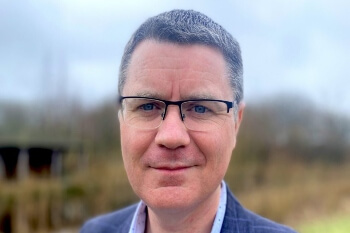
Clare Hatton is head of skills delivery at the West Midlands Combined Authority