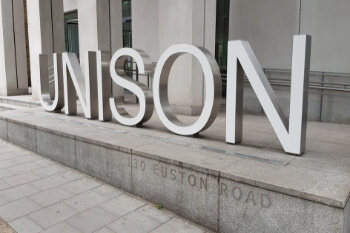
Thousands of Birmingham City Council women workers will today find out how much they will receive from an equal payout offer agreed between unions and the local authority.
The signing of a deal today between the council and Birmingham Children’s Trust with unions Unison and GMB ends a five-year dispute over equal pay and follows an agreement in principle over the claims made last year.
Council leader Cllr John Cotton said equal pay is the ‘single biggest challenge’ the council has faced since he was appointed to the role two years ago.
Payouts agreed today are expected to total more than £250m.
Tony McArdle, the Government appointed commissioner called in to run the council, said that the equal pay dispute ‘over many years has cost the council dearly’, and the agreement allows the council ‘to limit further costs and to positively reset its relationship with its staff and trade unions’.
In signing the deal, the council says it ‘acknowledges the shortcomings in how equal pay risks were handled in the past’.
‘These failures, which spanned many years and administrations, have had a lasting impact on our workforce and the trust placed in us by the people of Birmingham,’ adds its statement.
The council has pledged to ‘regularly review’ its job evaluation process ‘to maintain equity and transparency across all roles’.
‘After five years of fighting, this is an historic day as women across Birmingham find out exactly how the council plans to settle their claims for equal pay,’ said the GMB organiser, Megan Fisher.
‘This will be a life changing moment for so many Brummies, with the impact expected to be felt across the city economy’, she added.
Unison’s regional manager, Claire Campbell, said the agreement ‘marks a turning point for hundreds of low-paid women who have waited far too long for justice and equal pay’.
In their third progress report since being called in to run the council, Birmingham’s commissioners noted progress around equal pay at the council but warned that financial liability in this area ‘remains a significant risk’.
They also flagged the impact of another a long running industrial dispute with refuse workers on the council.