
Local plans must be in place to deliver practical support to communities if self-isolation is required in a future pandemic, the Covid-19 Inquiry has recommended.
The recommendation is one of nine in the inquiry's seventh report, published today, which found the UK was ‘simply not prepared’ to deliver test, trace and isolate systems at the scale or speed required.
Chair Baroness Hallett said this left decision-makers ‘effectively blind’ to the virus's spread.
She found that people told to self-isolate felt let down by a lack of practical and financial support, with targeted help introduced too late.
Widespread contact tracing was not established until summer 2020, and older people, ethnic minority groups and those facing digital exclusion struggled to access it, according to the inquiry’s findings.
Efforts by the four governments of the UK were also ‘hindered’ by the lack of planning, a lack of knowledge of existing testing capabilities, and ‘a failure to work with them and local authorities with expertise in contact tracing.’
Covid-19 spread virtually unchecked for the first three months of the pandemic, the report said, forcing harsher measures including lockdowns and school closures despite more than £25bn being spent on NHS Test and Trace in England.
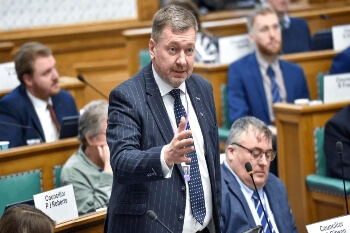
Responding to the report’s publication, Local Government Association chair Cllr Eamonn O'Brien said the inquiry was right to recognise that Government under-used councils' contact tracing expertise.
‘The pandemic showed that closer working and efficient data sharing between local and central government on public health is vital to strengthen future pandemic preparedness and response,’ he said.
‘It is essential that councils help design any future national plan from the outset, with adequate funding, resources and staff to meet the public health needs of their communities.’
.png)