
Jonathan Pearson, director at Residentially, looks at how developers, housing associations and councils can work together to drive innovation and improvement in both existing housing stock and new developments.
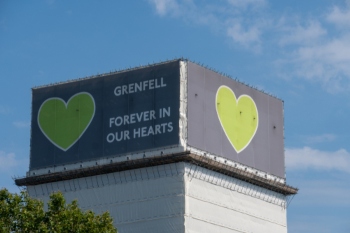
Six years have passed since the devastating Grenfell Tower tragedy, which went on to expose a UK-wide building safety crisis and led to an ongoing wave of stricter regulations that continue to reshape the housing market today. Last year, the Government ruled that the industry should remediate any unsafe cladding on buildings above 11 metres. Now, new buildings in London over 30 metres must require a second staircase, something that’s set to be extended across the rest of England and Wales, according to the Department for Levelling Up, Housing and Communities.
These new measures are a direct response to the Grenfell tragedy, which highlighted critical vulnerabilities in building design and safety protocols and encouragingly, mortgage lenders are slowly beginning to show signs of increased confidence in developers’ commitments to addressing these. We recently encountered an example of this during a staircasing valuation for a housing association on behalf of its leaseholder. Although the cladding remediation process had only just begun on their block, the fact that steps were being taken was sufficient for mortgage providers to consider lending against it – something that would have been impossible less than a year ago.
Balancing safety and cost
But as important as these measures are, they do come at a price, with the implementation of second staircases alone estimated to cost the construction industry £1.6bn over the next decade, coupled with the sacrifice of saleable space. In one development in Greenwich which had to be redrawn because of the changes, many of the homes available for London Affordable Rent will now have fewer rooms than originally planned, with two-bedroom flats downgraded to one-beds and studios. Some have even predicted that this regulation could result in the potential scrapping of almost 125,000 homes across the UK altogether.
This shifting landscape presents both challenges but also opportunities for developers, housing associations and local authorities to work together to drive innovation and improvement in both existing housing stock and new developments. For example, they will naturally become more cautious about how and where to build new homes. But I believe these new financial implications will also prompt them to build more lower-rise blocks in less dense areas outside of city centres.
Navigating challenges and embracing opportunities
Grenfell highlighted the need for a better balance between safety and innovation. And these more stringent building standards should continue to provide the impetus for the industry to reevaluate its practices whilst aspiring to higher standards, with housing that is all at once safer, more appealing, and better suited to the evolving needs of our communities. From regenerating existing housing stock to designing safer, more aesthetically pleasing buildings that can’t rely on cladding to mask their appearance, housing associations and local authorities now have the opportunity to review what can be created and improved within their housing stock, providing new opportunities for development, regeneration and redevelopment.
This all comes amidst proposals for a new Ofsted-style quality rating for new developments, backed by housing and communities secretary Michael Gove, that would rate everything from the size, style and location of buildings to the location of bins and the number of new trees. While the measures have attracted criticism for adding yet another layer of bureaucracy to the planning system, those behind the initiative argue that it would force developers to think harder about the overall impact of new schemes from the outset and help developments get through planning quicker by encouraging more sensitive development.
The cost, of course, needs to be found, and perhaps creating additional homes is a way of funding this. For example, one of our clients is planning to add additional homes to an existing site on the south coast where they already own a tower block. By potentially selling market units, they can finance this and use the profits to offset the costs of cladding remediation in their portfolio.
Through this kind of careful planning, strategic redevelopment, and financial support, I believe we can foster a housing market that prioritises safety, aesthetics, and resilience. It is so important we learn from the lessons of Grenfell to help create a much brighter future in housing.